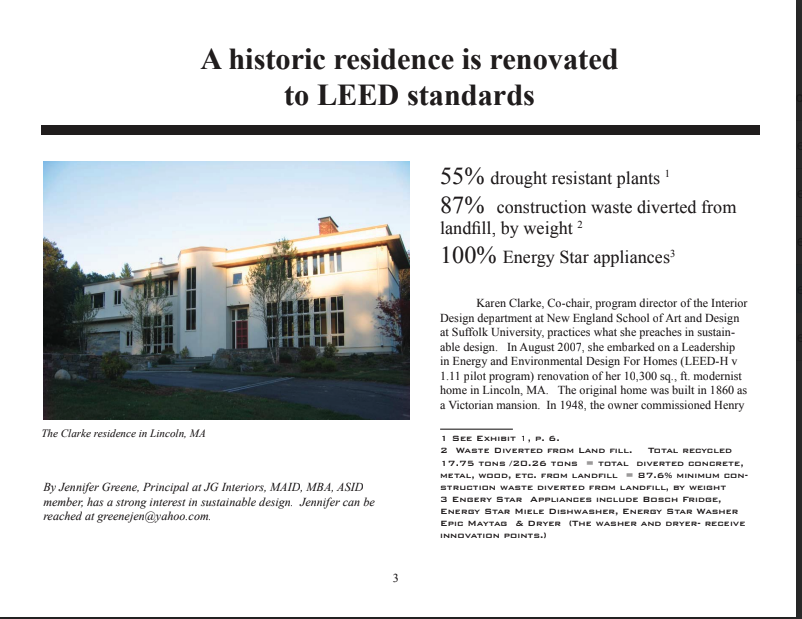
Gracing one of Lincoln’s most coveted addresses, 23 Bedford Road stands as a testament to more than a century and a half of architectural evolution. Originally built circa 1860, the estate was conceived in the Victorian tradition, a reflection of the era’s grandeur and craftsmanship. Designed during a period when affluent Boston families sought refined country retreats, the home embodied the elegance of 19th-century New England architecture with its asymmetrical form, intricate woodwork, and expansive windows inviting light and air into every room. Set upon over six private, park-like acres, it offered a pastoral respite from city life and has continued to define the landscape ever since.
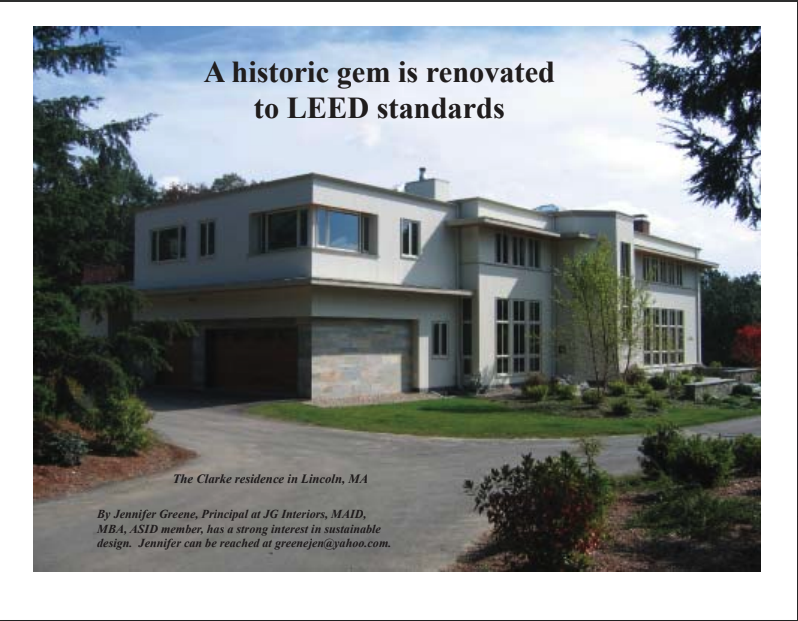
As Lincoln became a nexus of American modernism in the mid-20th century, 23 Bedford Road’s classical Victorian character stood as a counterpoint to the innovative architectural works of Henry B. Hoover, one of Lincoln’s most influential architects. Hoover’s philosophy of blending architecture with nature, using clean lines, natural materials, and expansive glass, echoed across his many nearby designs and would later inspire the evolution of this very estate. When the home was reimagined around 1950, its transformation incorporated these modernist ideals, introducing soaring glass walls and open, light-filled spaces that bridged the indoors and outdoors while preserving the structure’s historic foundation.
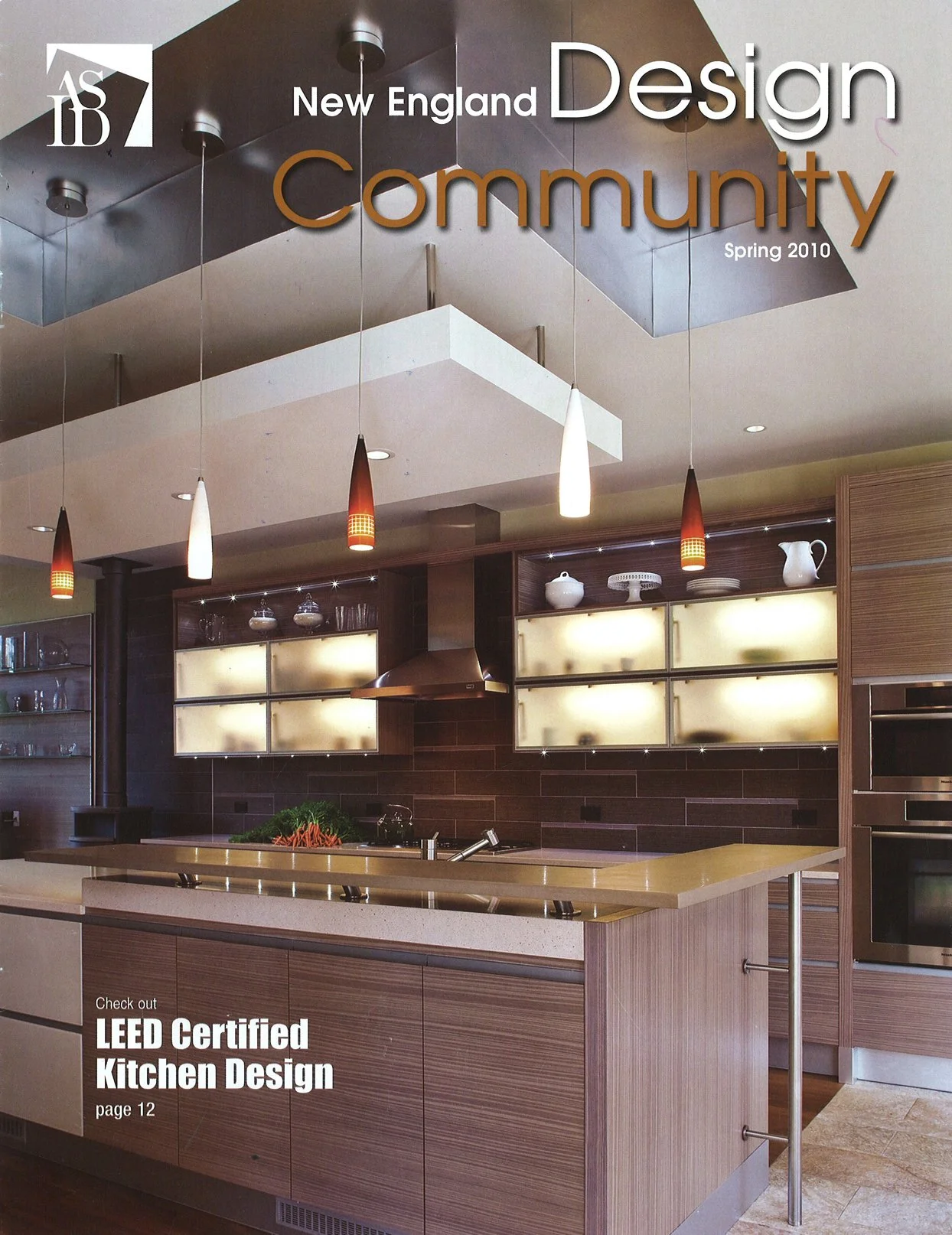
In the 21st century, the estate entered its most ambitious chapter under the direction of designer Karen Clarke, who undertook a comprehensive restoration guided by the LEED for Homes program. This pioneering renovation achieved LEED certification, an extraordinary feat for a residence of this scale through sustainable systems, healthy indoor materials, and energy-efficient design.
Today, 23 Bedford Road is celebrated as a sustainable historic landmark, a rare convergence of architectural heritage, modern innovation, and ecological consciousness. The home’s graceful proportions, timeless materials, and park-like setting connect its 19th-century origins to a forward-looking vision of 21st-century living, securing its place among Lincoln’s most distinguished and enduring estates..
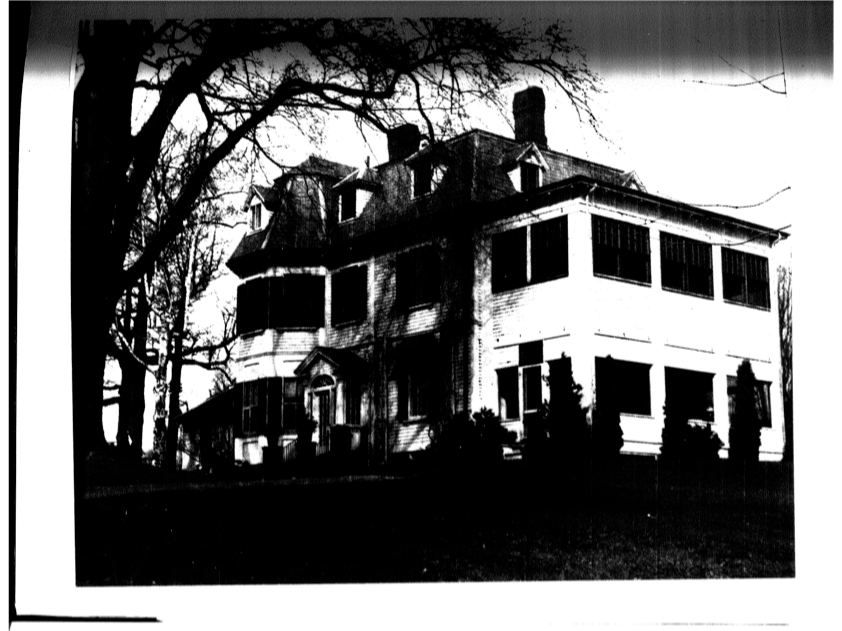
Original 1860 Victorian House
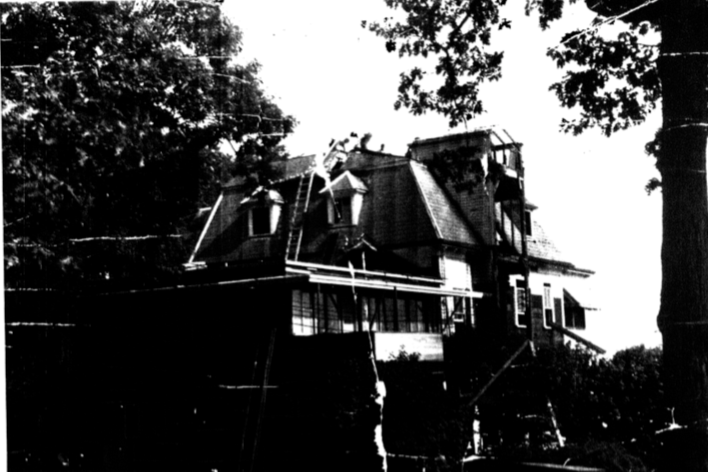
Original 1860 Victorian House